
Pakistani Nikkah Sharara for Brides in the UK
A Nikkah sharara creates a different bridal silhouette from a lehenga, using wide, flared trousers rather than one continuous skirt. This collection brings together Nikkah sharara styles for brides in softer flowing cuts, more structured shapes and different kameez-and-dupatta combinations, depending on the design. If you prefer a lighter palette, look for white, ivory and pastel options, while deeper traditional shades offer a richer bridal look. You can also compare gharara-inspired silhouettes where available, especially if you are deciding between a Nikkah sharara and gharara for the ceremony.
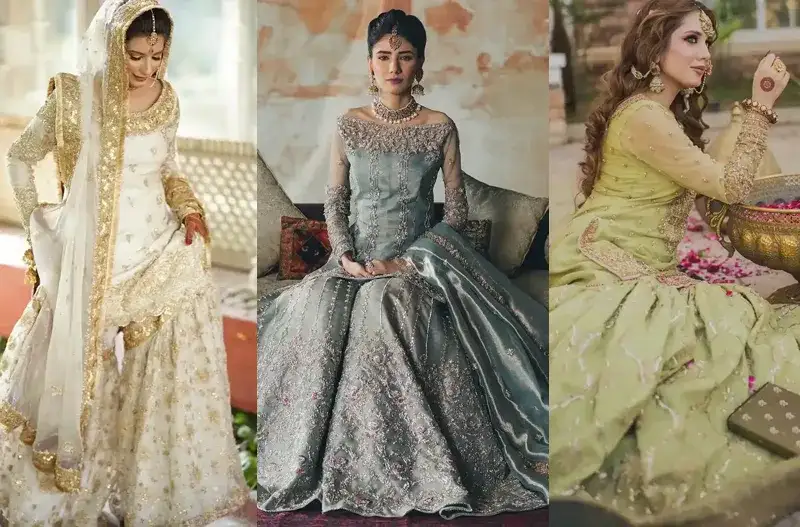
Showing all 19 resultsSorted by latest
-
 £799.00
 -
£799.00
-
£849.00
-
£699.00
-
£699.00
-
£699.00
-
£349.00
-
£799.00
-
£299.00
-
£578.00
-
£749.00
-
£699.00
-
£699.00
-
£450.00
-
£799.00


Showing all 19 resultsSorted by latest
Choosing a Nikkah Sharara for Your Bridal Look
A Nikkah sharara can give a bridal outfit presence without relying on the volume of a full lehenga skirt. The trousers create movement through the lower half, while the kameez, dupatta, fabric and embroidery determine whether the overall look feels minimal, traditional or more heavily bridal. When comparing Pakistani bridal sharara designs, look at the complete proportion of the outfit rather than judging the trousers alone.
A short peplum, fitted kameez, longer shirt or more flowing upper layer can change the balance of a sharara considerably. The dupatta matters just as much, particularly if you plan to wear it over the head during the Nikkah. Compare the complete outfit, not only the front photograph, before deciding which shape suits the bridal look you want.
Nikkah Sharara or Gharara: What Is the Difference?
Sharara and gharara are closely related South Asian silhouettes, and the terms are sometimes used differently between designers and retailers. In common fashion usage, a sharara is built around wide, flared trousers that create a more continuous flowing line, while a gharara is usually more fitted through the upper leg before opening into a fuller flare around the knee.
If you are comparing the two, focus on where the volume begins, how structured the trouser shape feels and how it balances with the kameez.
White, Ivory and Other Colours for a Nikkah Sharara
If you prefer a softer bridal palette, white, ivory and off-white Nikkah sharara styles are natural places to start. Light shades can be paired with tonal, gold, silver or contrasting embroidery depending on the individual design, while pastels offer another option for brides who want colour without moving into deeper traditional tones.
Red, maroon, green and other richer shades can create a stronger bridal look. Rather than choosing by colour alone, compare the fabric, silhouette, embroidery and dupatta styling of each outfit so the whole design works together.
Embroidery, Fabric and Embellishment
Embroidery and embellishment vary significantly from one bridal sharara to another. Depending on the individual design, product details may reference traditional embroidery, threadwork, sequins, beads, pearls or other decorative techniques. Some outfits concentrate detail on the kameez and dupatta borders, while others carry embellishment further through the trousers.
Weight is worth considering alongside appearance. A heavily worked bridal outfit can feel very different to a lighter design over the course of an event, particularly when embroidery extends across wide trouser panels or a heavily bordered dupatta. Check the individual product description and images for the fabric, embellishment and construction of the design you are considering.
Flowing, Structured and Floor-Skimming Sharara Styles
Not every Nikkah sharara falls in the same way. Softer fabrics can create a more fluid shape through the trousers, while crisper materials hold a stronger, more structured line. Some bridal designs may also use longer or more floor-skimming proportions, including farshi-inspired styling where specified on the individual product.
Think about how much movement you want from the outfit and how practical the length will be for your venue. A dramatic hem can create more visual impact, while a cleaner trouser length may be easier to manage throughout the ceremony and photographs.
Planning the Outfit Around Your Nikkah Ceremony
Start with the setting. A home ceremony, mosque Nikkah and hotel function can each influence how much volume, coverage and embellishment feels practical. Hem length should be considered alongside footwear, especially with wide sharara trousers, because even a small difference in heel height can change how the fabric sits around the feet.
Dupatta styling also deserves an early decision rather than being left until the day. A dupatta worn over the head may need different placement from a shoulder drape, and a heavier border may need more secure pinning. It is also worth considering the neckline together with your jewellery so that embroidery, necklaces and dupatta borders do not compete for the same space.
Sizing, Customisation and Delivery Planning
Take your measurements carefully and compare them with the Shadi Dress Size Guide rather than assuming your usual dress size will correspond exactly to every bridal design. Pay particular attention to trouser length and decide on your intended footwear before confirming measurements.
Customisation options are not identical across every Nikkah sharara. If you want changes to colour, fabric, sleeves, neckline, dupatta, embroidery or another design detail, check the individual product information and contact Shadi Dress before ordering so the requested changes can be confirmed for that particular outfit.
If your ceremony date is fixed, review the current Delivery Information before placing the order and contact Shadi Dress if you need confirmation for a specific timeframe. If you are still deciding between a sharara, gharara, lehenga, gown or another silhouette, explore the wider Nikkah Dresses collection to compare more bridal styles for the same occasion.
Frequently Asked Questions About Nikkah Sharara
Simple answers about Nikkah sharara styles, colours, sizing, customisation and choosing the right bridal outfit.
What is the difference between a Nikkah sharara and a gharara?
A sharara usually has wide, flared trousers that create a flowing shape from the upper leg down. A gharara is generally more fitted through the upper leg before opening into a fuller flare around the knee.
The two styles can look quite different when worn, so compare the full outfit rather than the trousers alone. If you prefer the gharara shape, you can also explore our Bridal Gharara collection.
Can I wear a white or ivory sharara for my Nikkah?
Yes. White, ivory and off-white can all work well for a Nikkah bridal look. Some brides prefer a very soft and simple outfit, while others choose a lighter colour with more detailed embroidery and embellishment.
Look at the fabric, embroidery, dupatta and overall silhouette of each design before deciding, as two white shararas can still create very different bridal looks.
What styles of Nikkah sharara are available for brides?
Nikkah sharara styles can range from soft and flowing designs to more structured bridal outfits. The kameez may be fitted, flared, peplum-style or longer in length, depending on the individual design.
Colours, fabrics, embroidery and dupatta styling also vary, so check the product details and images for the outfit you are considering.
How do I choose the right size for a bridal sharara?
Take your measurements carefully and compare them with the Shadi Dress Size Guide before choosing a size. Do not rely only on the dress size you usually wear.
Pay particular attention to trouser length, waist, hips and the measurements required for the kameez. If a custom-size option is available for your chosen design, provide the requested measurements carefully before placing the order.
Can a Nikkah sharara be customised?
Customisation may be available on selected bridal designs. Depending on the outfit, you may be able to request changes to details such as colour, sleeves, neckline, dupatta, fabric or embroidery.
Options are not the same for every design, so contact Shadi Dress before ordering if you want specific changes. This allows the requested customisation to be confirmed for the outfit you have chosen.
What should I consider when choosing a sharara for my Nikkah?
Think about the venue, the amount of embroidery you are comfortable wearing, the length of the trousers, your footwear and how you want to style the dupatta. These details can make a big difference to how the complete outfit feels on the day.
It is also useful to consider your jewellery and neckline together, especially if the kameez or dupatta already has detailed embroidery around the upper body.
How long does a Nikkah sharara take to arrive in the UK?
Delivery time depends on the individual design, availability, sizing, production requirements and any requested customisation. Bridal outfits that need additional work may take longer than simpler or readily available designs.
Check the current Delivery Information before ordering. If your Nikkah date is fixed, contact Shadi Dress before placing the order to confirm whether the outfit can be prepared and delivered within your required timeframe.
Should I choose a sharara, gharara or lehenga for my Nikkah?
There is no single right choice. A sharara gives you wide, flowing trousers, a gharara creates a more defined fit-and-flare shape, while a lehenga uses a separate bridal skirt.
The best option depends on the silhouette, movement and overall bridal look you prefer. If you want to compare more styles for the same ceremony, browse the wider Nikkah Dresses collection.