
Shop Pakistani Bridal Gowns with Flowing Skirts
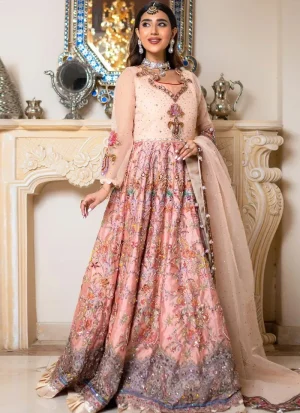
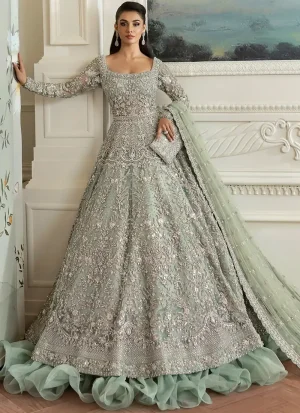
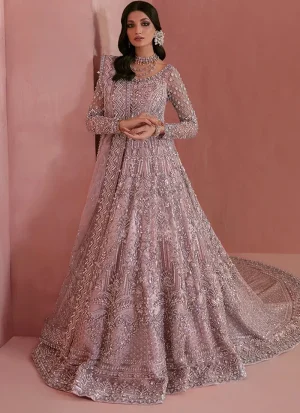
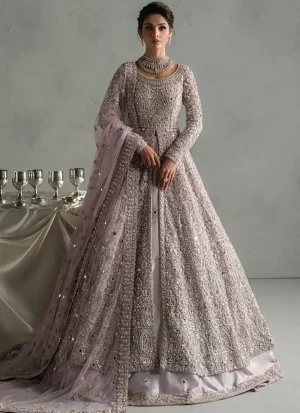
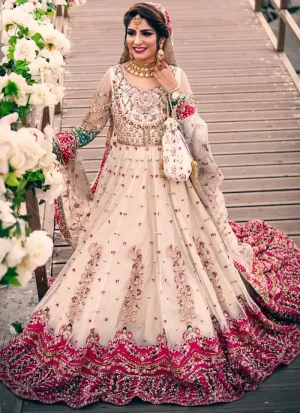
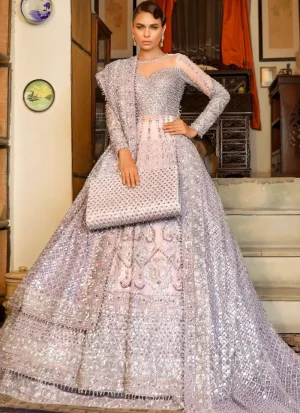
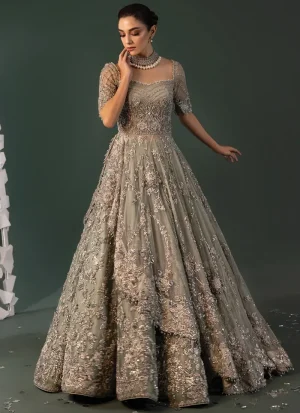
Pakistani wedding gowns can build their flare from kali-cut panels or a full-circle skirt; a cancan can hold the shape out, and the embroidery, in work such as dabka, zari and pearls, is done in our own workshops. Wear one as a maxi with its dupatta or as a gown open over a lehenga, with or without a trail, stitched after you order to a standard size or your measurements. Every other cut is in our Asian wedding gowns.

Showing 1–20 of 71 resultsSorted by latest
-
£849.00
-
£899.00
-

-
£849.00
-
£849.00
-
£849.00
-
£899.00
-

-
-
-
-
-
-
-
-
-
-


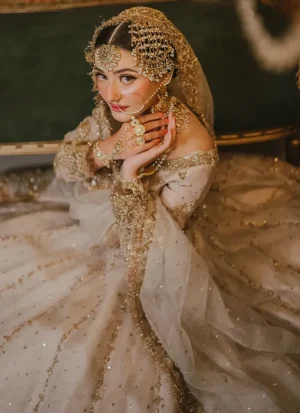


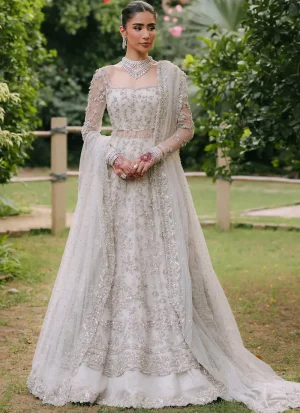
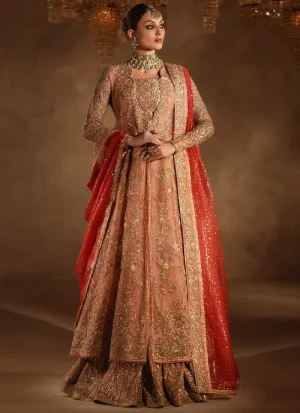
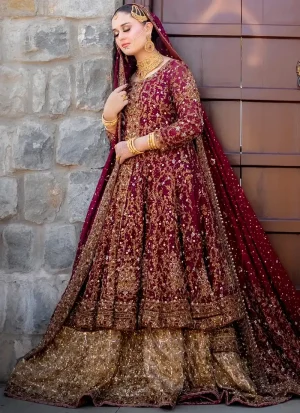


Showing 1–20 of 71 resultsSorted by latest
Kalis, cancan and trail: how the gown moves
More kalis mean a wider, rounder hem, while a full-circle cut gives a different kind of sweep. A cancan underneath can hold the skirt away from the legs so the embroidery on the lower panels stays visible when you stand on a stage. A trail adds drama for the entrance and photographs, but you may need someone to lift it on steps; a hem without one is easier through a long day.
One-piece maxi or front-open gown
The one-piece maxi keeps a single line from shoulder towards the hem, with the dupatta doing the framing. A front-open gown parts from the waist to show an embroidered lehenga underneath, so you get the movement of a skirt and the length of a gown together. Top fabrics include organza, net and tissue silk; skirt fabrics include katan silk, tissue silk or brocade; dupattas may be organza, masuri or chiffon.
Pakistani wedding gown questions
How is the dupatta worn with a gown?
For the ceremony it usually goes over the head and falls over both shoulders, pinned at the crown so it stays put when you sit. For photographs it can move to one shoulder or drape over the forearms to show the bodice. If the gown is heavily worked, a lighter dupatta keeps the look balanced. For ceremony-specific browsing, compare our dresses for the nikkah.